Where endurance routes meet precision spaces
A professional biathlon complex is more than a ski course beside a range. Its value lies in the connections: the return to the stadium, the supervised transition, and the support that keeps both environments working.
Explore the transition plan
Two demands, one complex
Cross-country skiing rewards continuous movement across changing terrain. The precision environment depends on controlled access, clear boundaries and qualified oversight. Biathlon brings these different operating conditions into a repeated training sequence.
For planners, coaches and informed spectators, the useful question is not simply what a venue contains. It is how people, equipment, maintenance teams and information move between its parts without undermining the training session.
Follow the return to the stadium
The final approach connects a dispersed trail network to a concentrated working area. Arrival lines, coaching positions and return routes need to remain legible under changing snow, light and attendance.
Approach
Identify the course return and visibility constraints.
Controlled interface
Understand access boundaries and supervision.
Rejoin
Check how the next training loop reconnects.
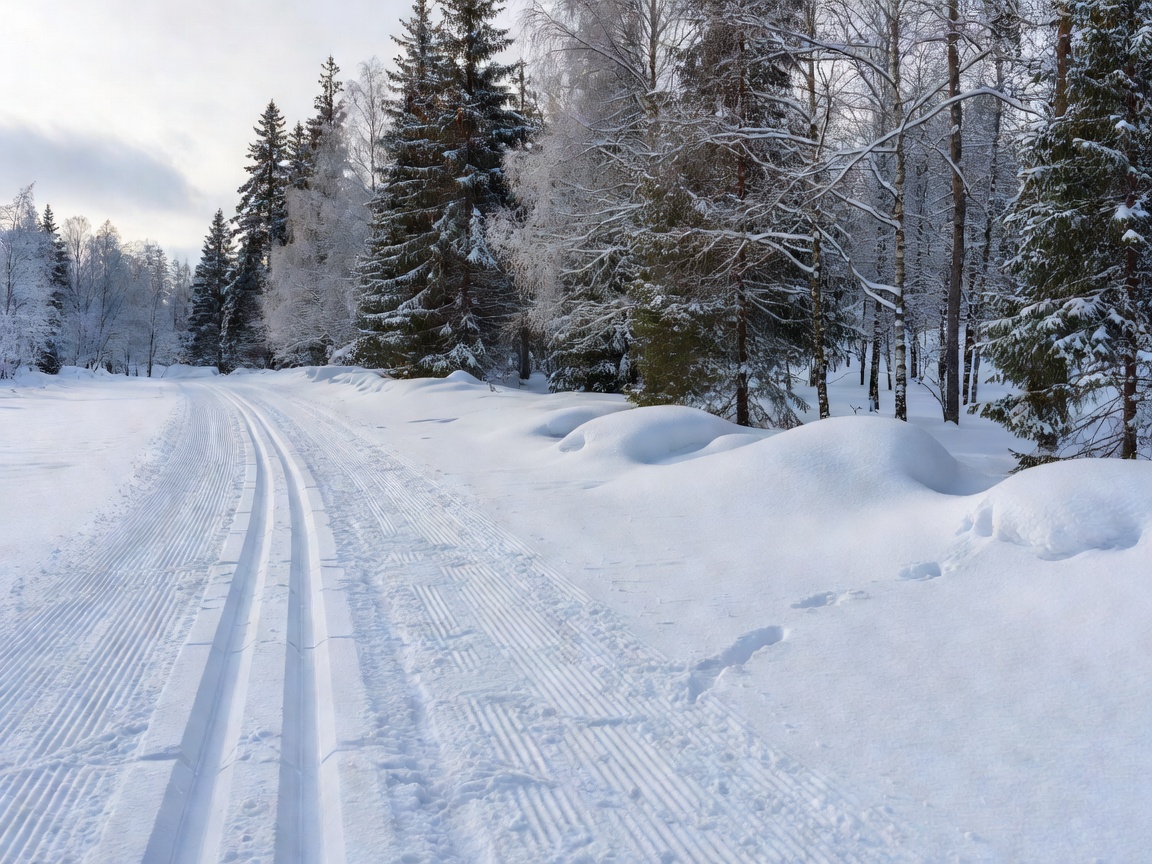
Read the terrain network
Climbs, descents, junctions and recovery options form a training resource only when they connect coherently. Surface preparation and emergency access are part of that network, not separate afterthoughts.
Explore the ski network →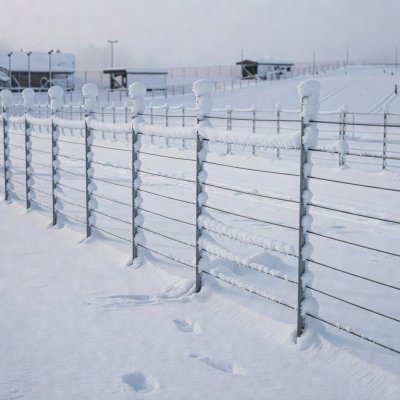
Understand the controlled range
Physical design does not replace supervision. Read the range as an operated facility: defined access, authorized use, communication and procedures established by the responsible venue team.
Understand the range setting →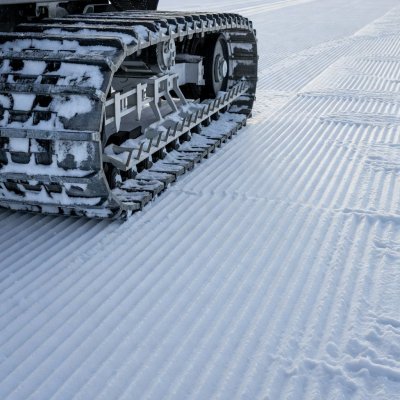
Keep training viable across seasons
Snow management, roller-ski provision, indoor support and maintenance schedules shape the usable training year. Each provision brings its own weather, staffing and access limits.
Review seasonal support →Resolve the planning questions
Who can use a professional complex? What makes a public trail different from a controlled training area? Start with the practical distinctions before comparing venues.
A useful first check
Separate the facility's physical capacity from the activity permitted on the day. An existing trail, range or roller-ski loop is not evidence of public access, available coaching or a bookable session.
Our editorial approach →